
iPhone · iOS 16+ GET → APP STORE
THE CAMERA APP FOR NIGHT PEOPLE
Shoot like
it's 2003.
DOWNLOAD ON THE APP STORE Free · Optional paid cameras
SCROLL ↓
Not a filter. A camera. Fourteen of them, actually. Live in the viewfinder. Everything on-device.
 VIVID 50 · Coast
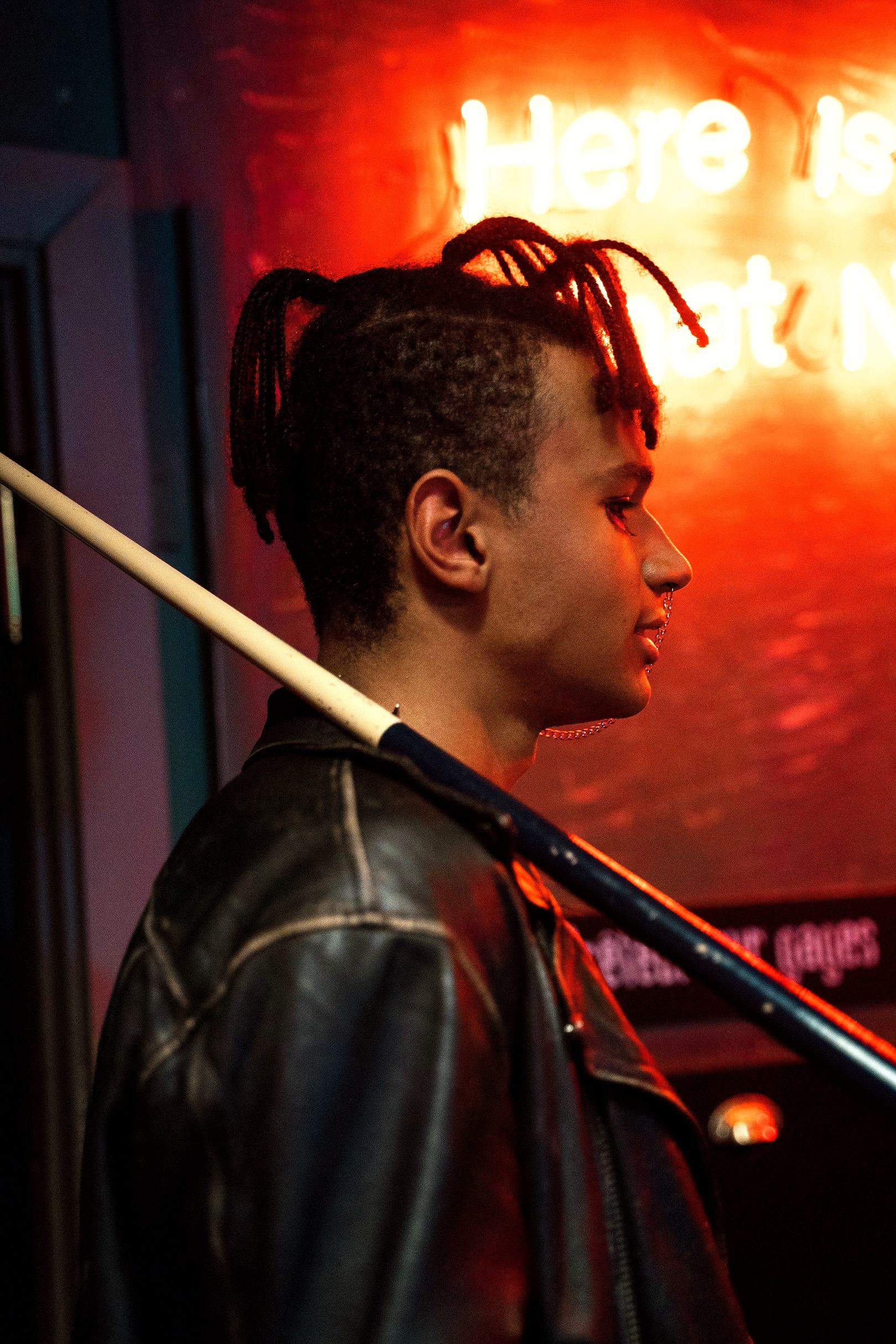
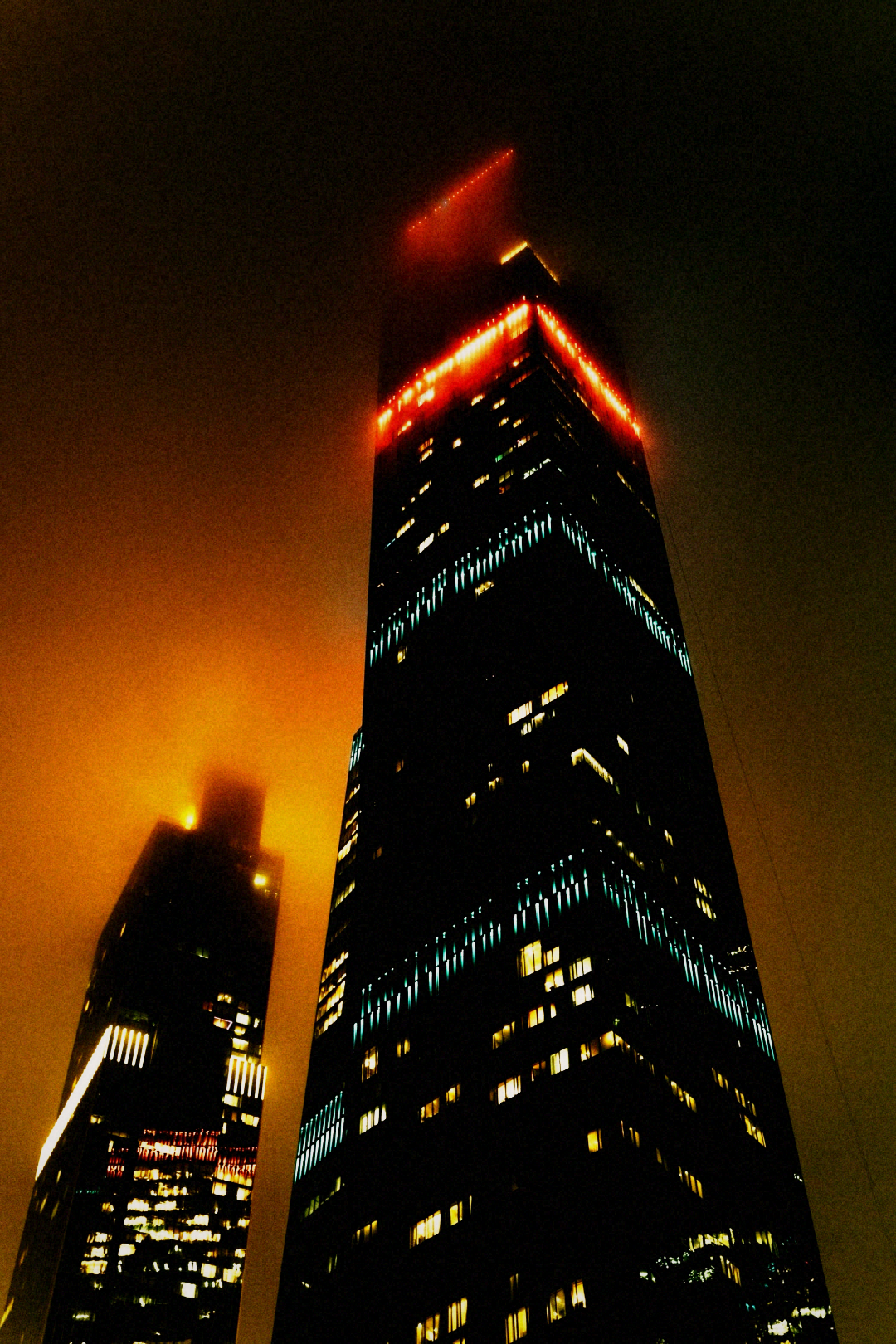 NEGATIVE 400 · Night
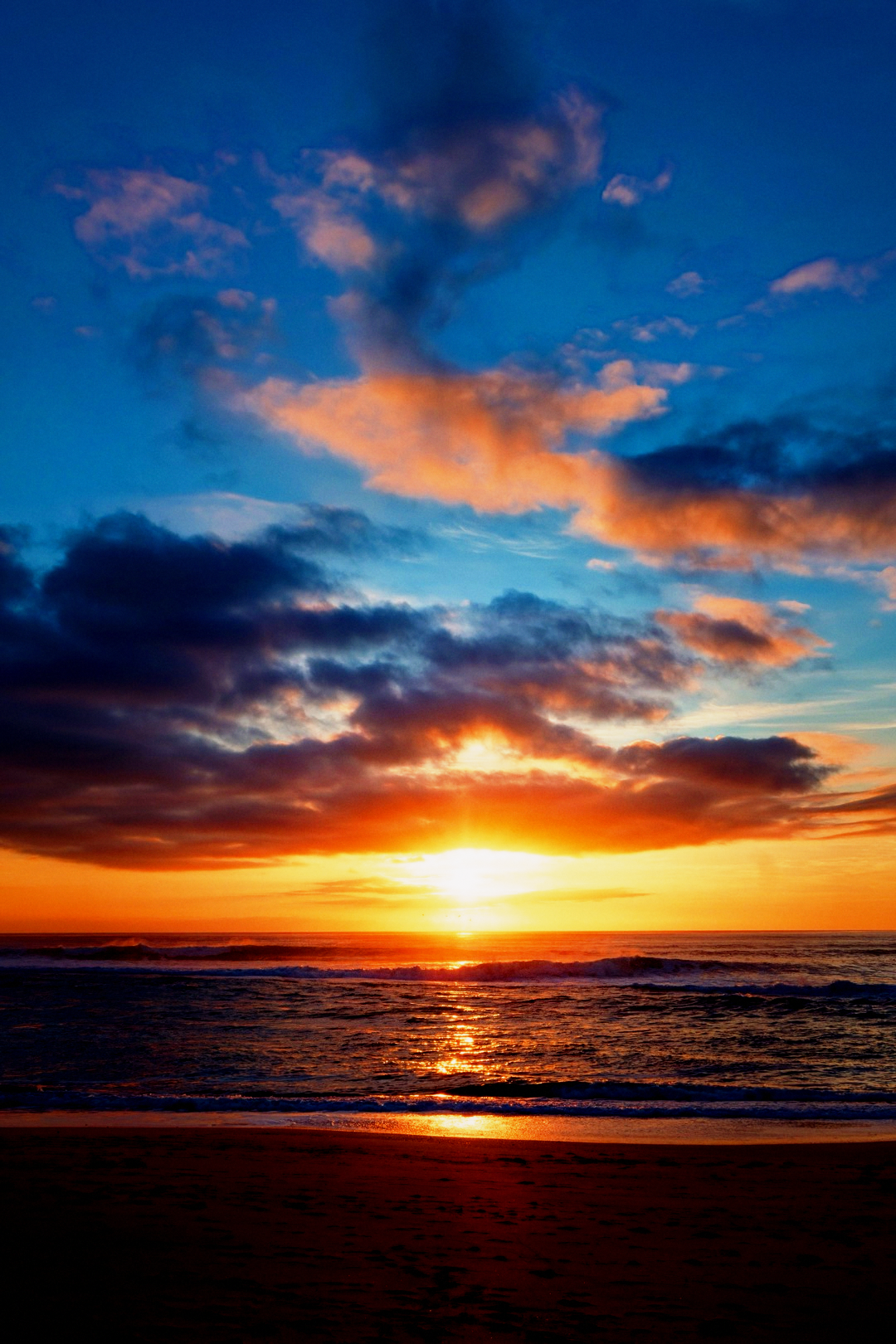 VIVID 50 · Golden
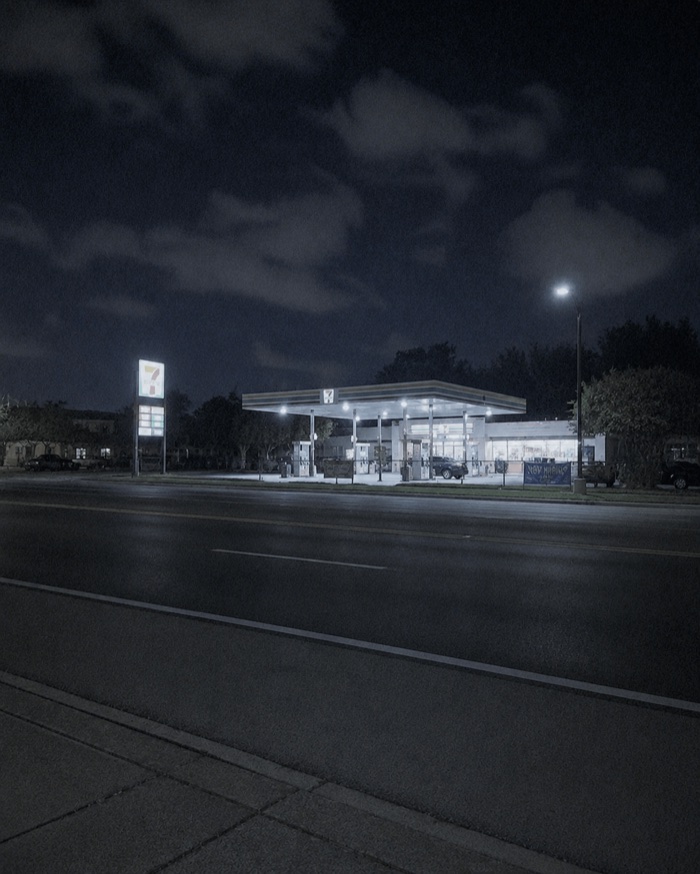 CZ-30
CZ-30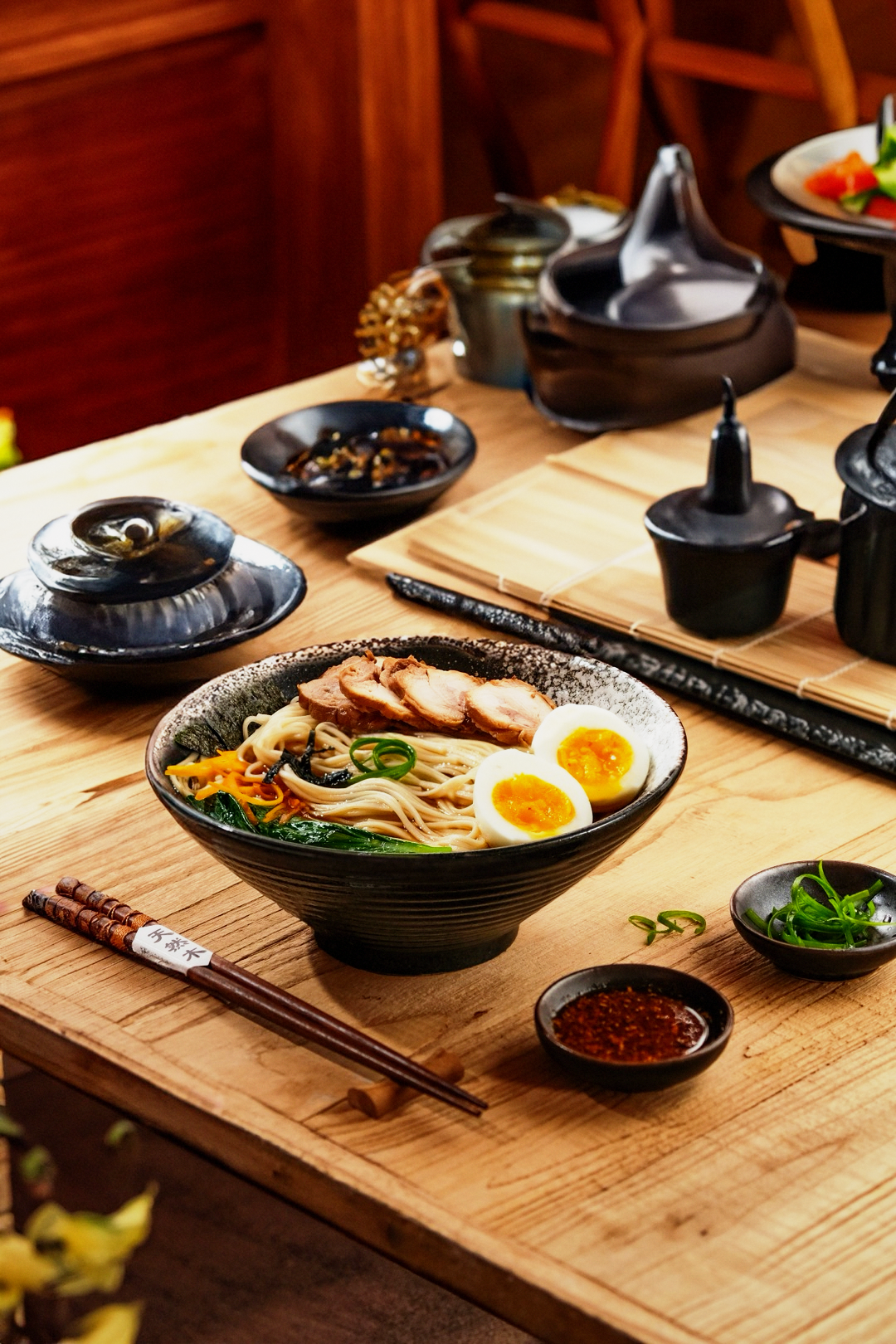 CHROME 100 · Tungsten
 G8X MIII
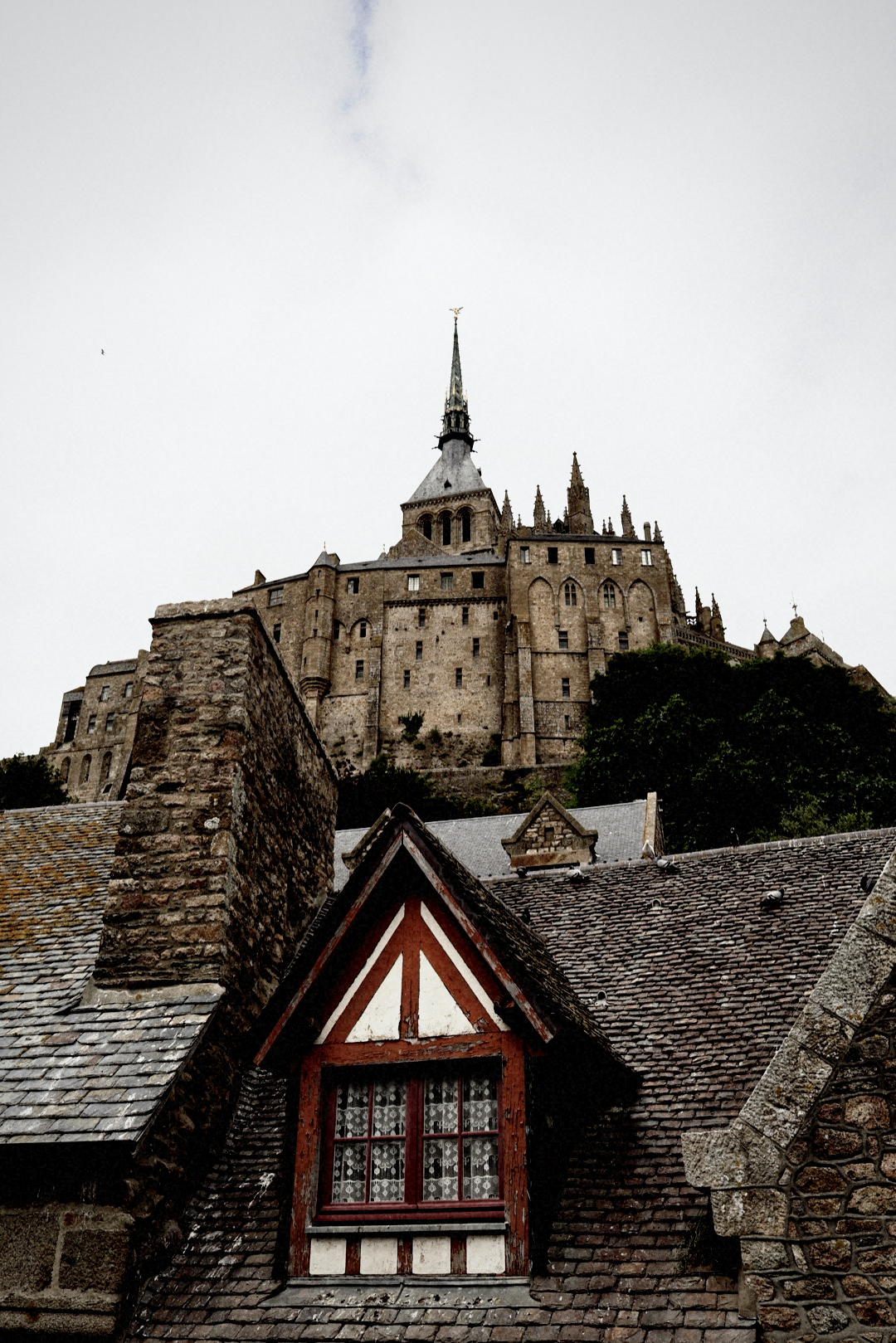 BLEACH 200 · Overcast
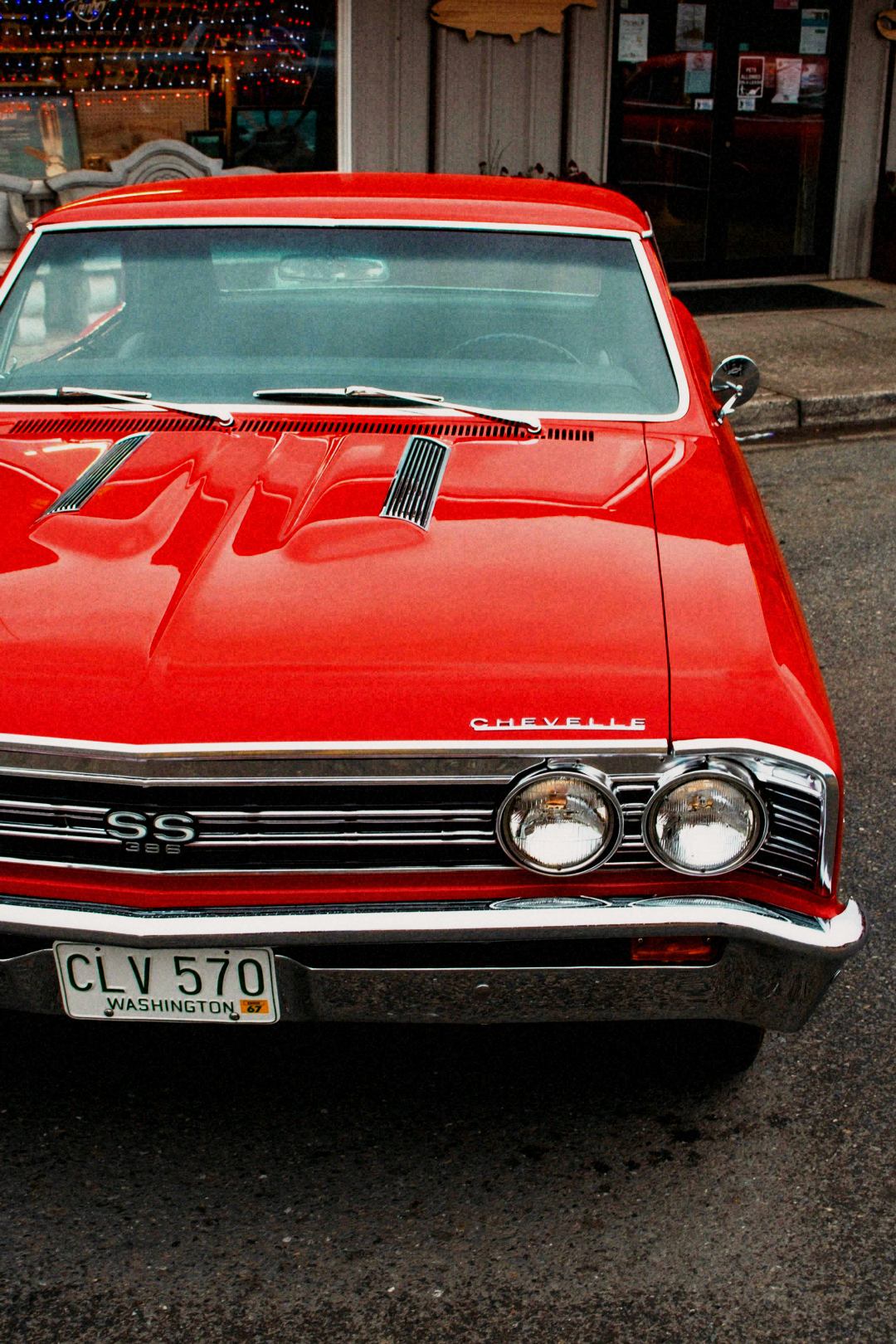 NEGATIVE 400 · Red
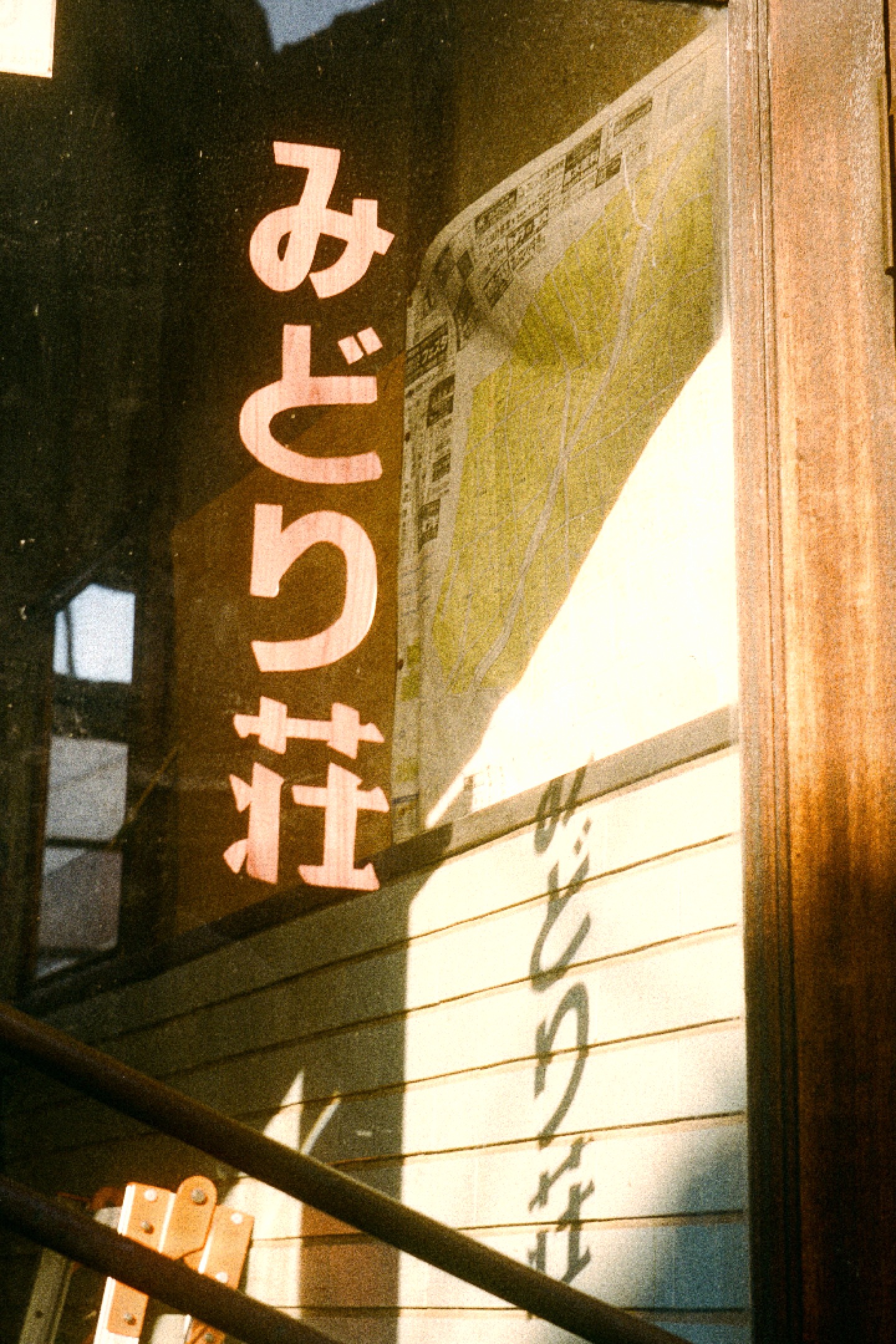 SNAP-27
SHELF 01
AFTERHOURS
Video-artifact cameras. The stuff you shot on tape — camcorders, disposables, tape decks. Simulation of behavior, not filters over top.
- NS-8 camcorder
- SNAP-27 disposable
- CZ-30 digicam
- HDV-2000 MiniDV deck
- DV-90 fisheye
- G8X MIII modern
SHELF 02
FILM
Modern film cameras. Curves, halation, per-hue color, real film science. Not a preset, not a saturation slider.
- MONO 100 b&w
- MORNING 01 warm negative
- STILL 02 natural color
- FADE-200 muted
- VERDE 50 vivid
- NOCT-800 tungsten night
- HIBI-200 daylight negative
- DAILY 01 diary film
BEFORE / AFTER
Same scene. Different film.
Drag the slider. All samples straight out of camera at native ISO, neutral tone. No edits after capture.

Original
VIVID 50
THE COLLECTION
14 cameras. 10 stocks.
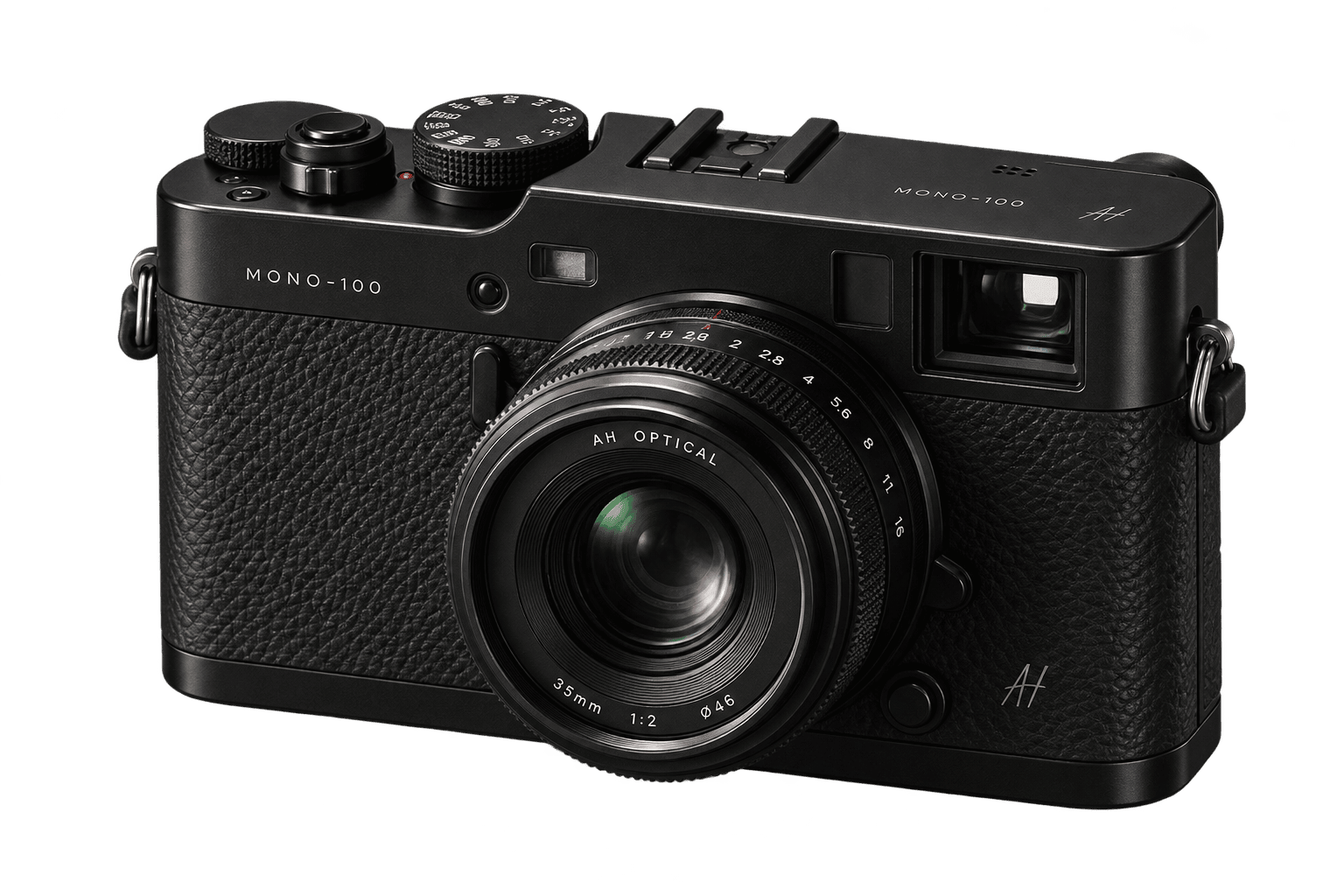
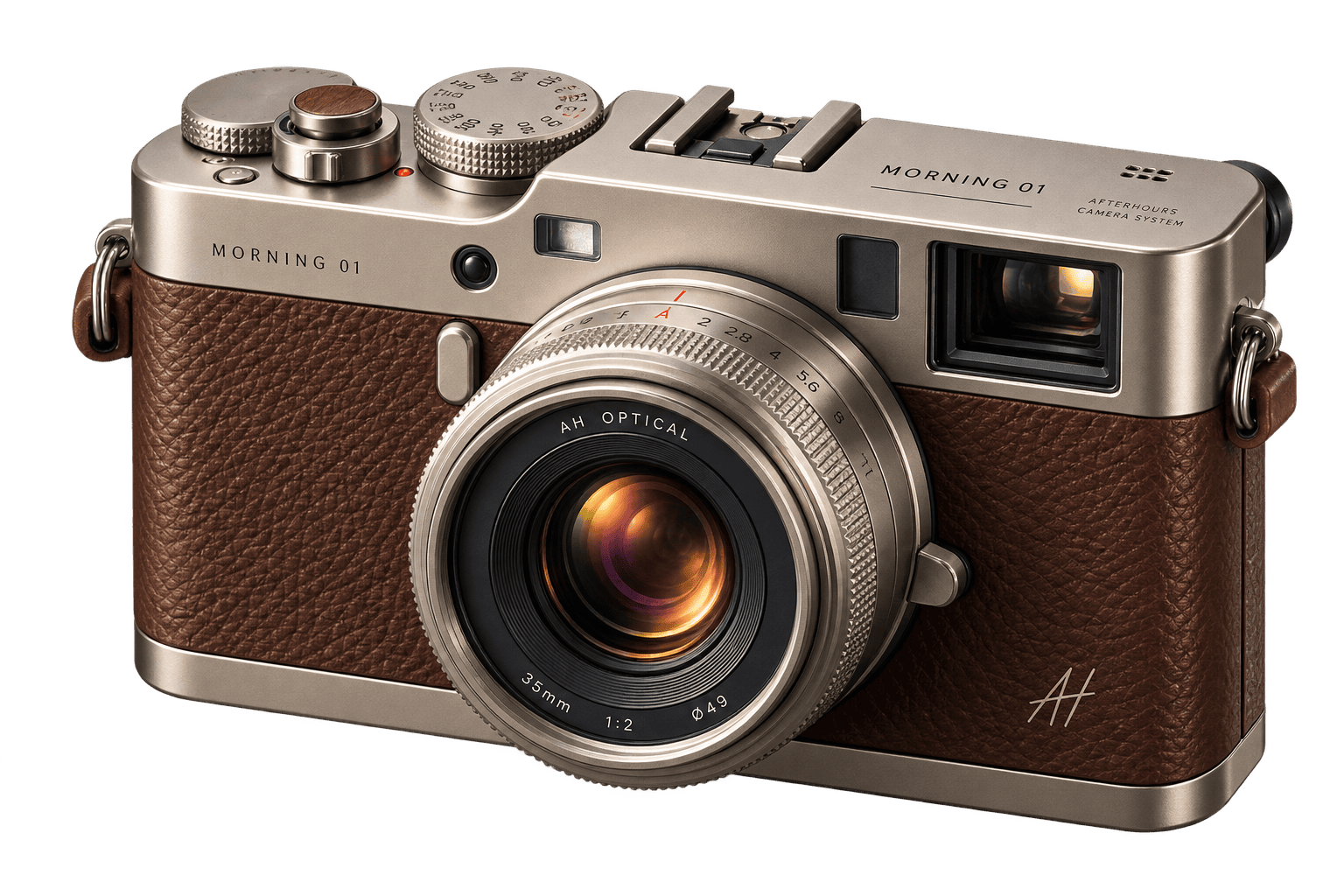
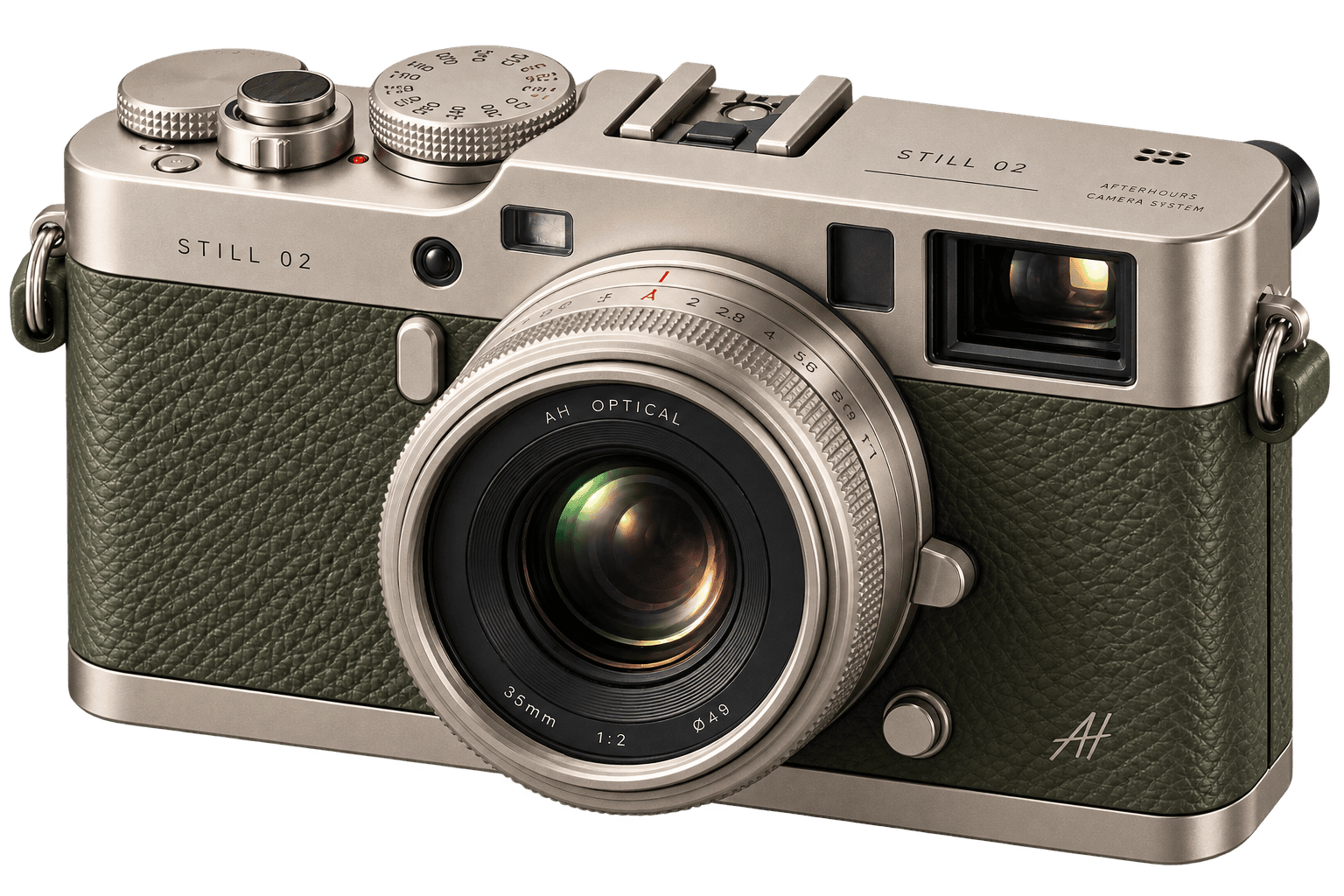
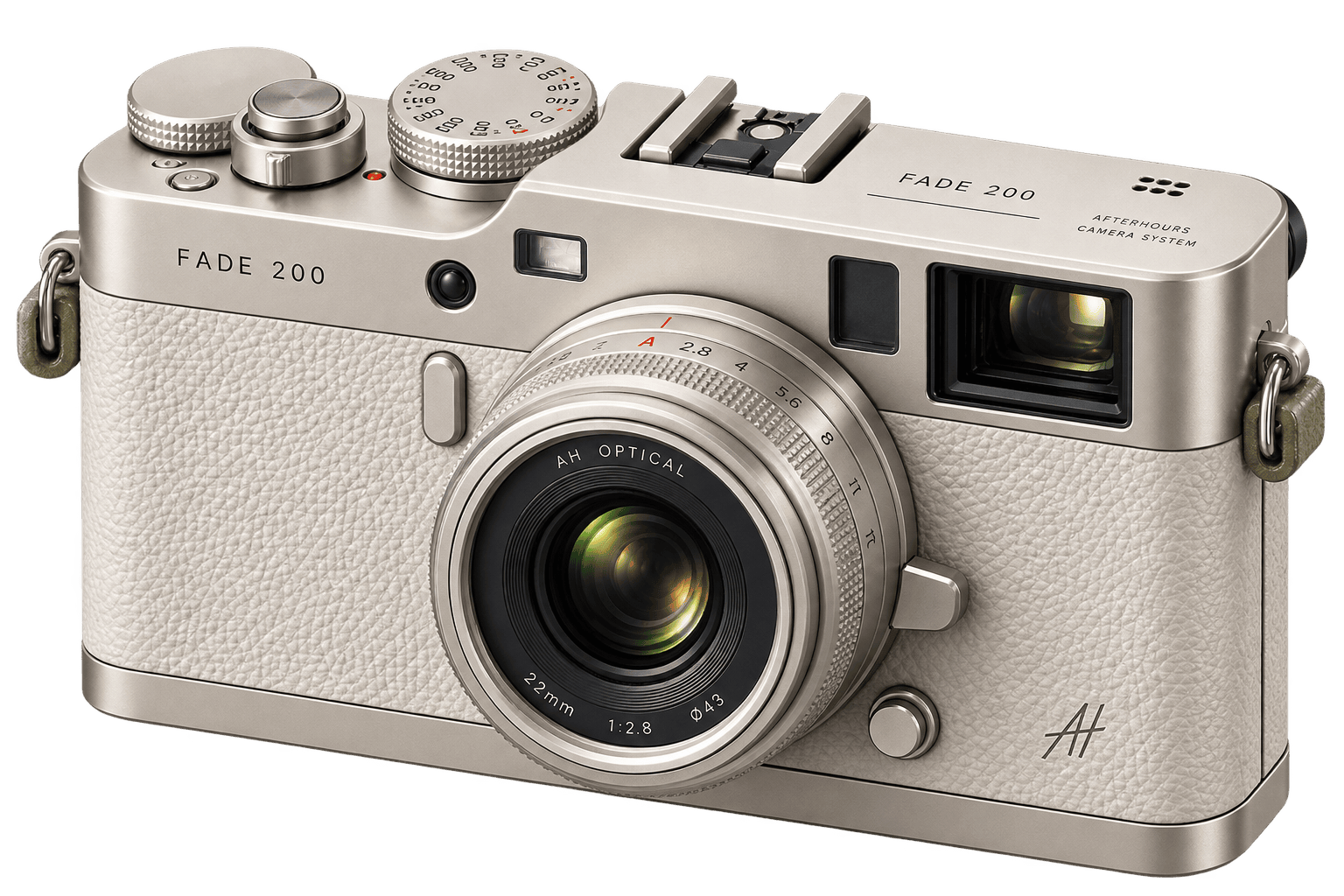
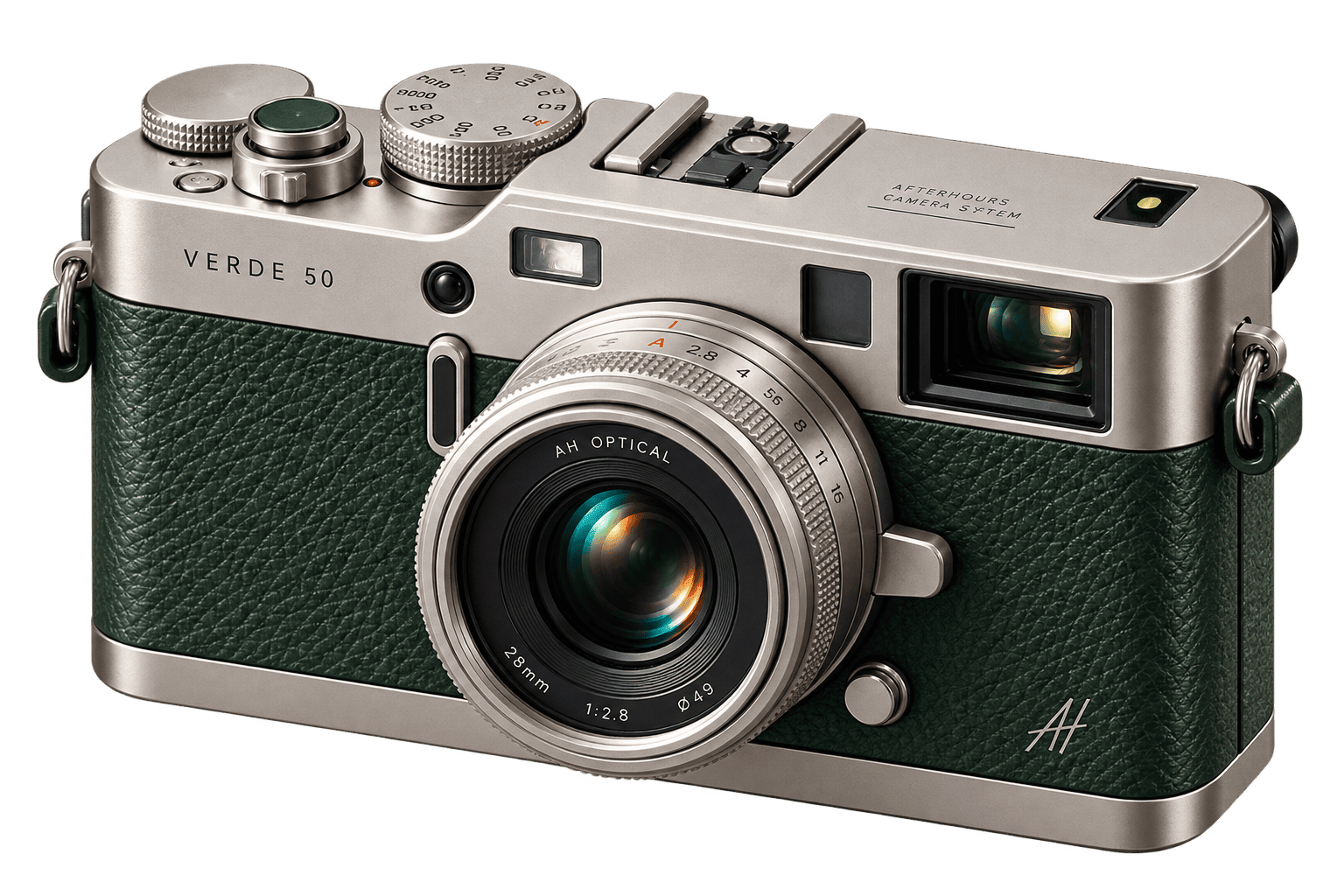
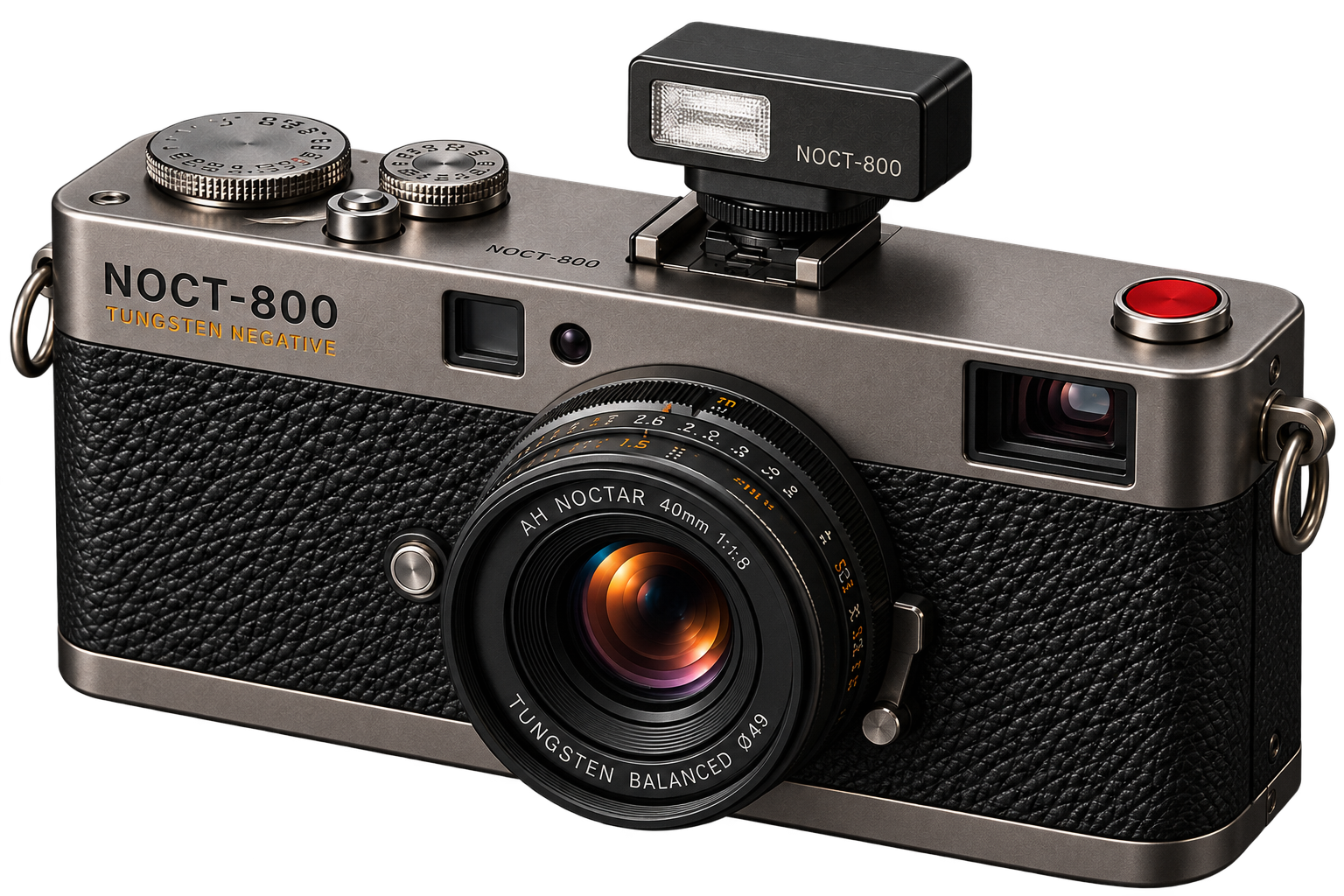
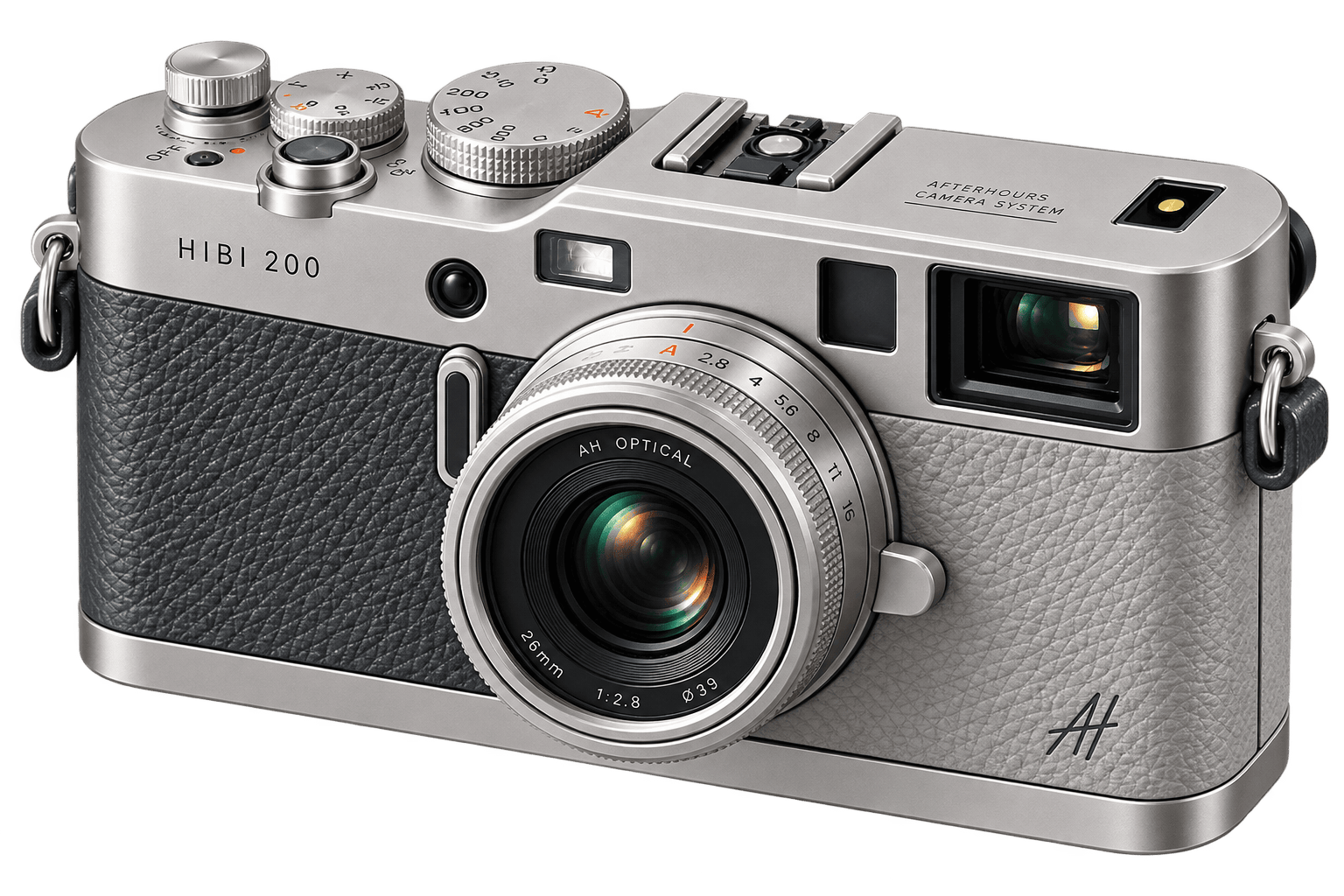
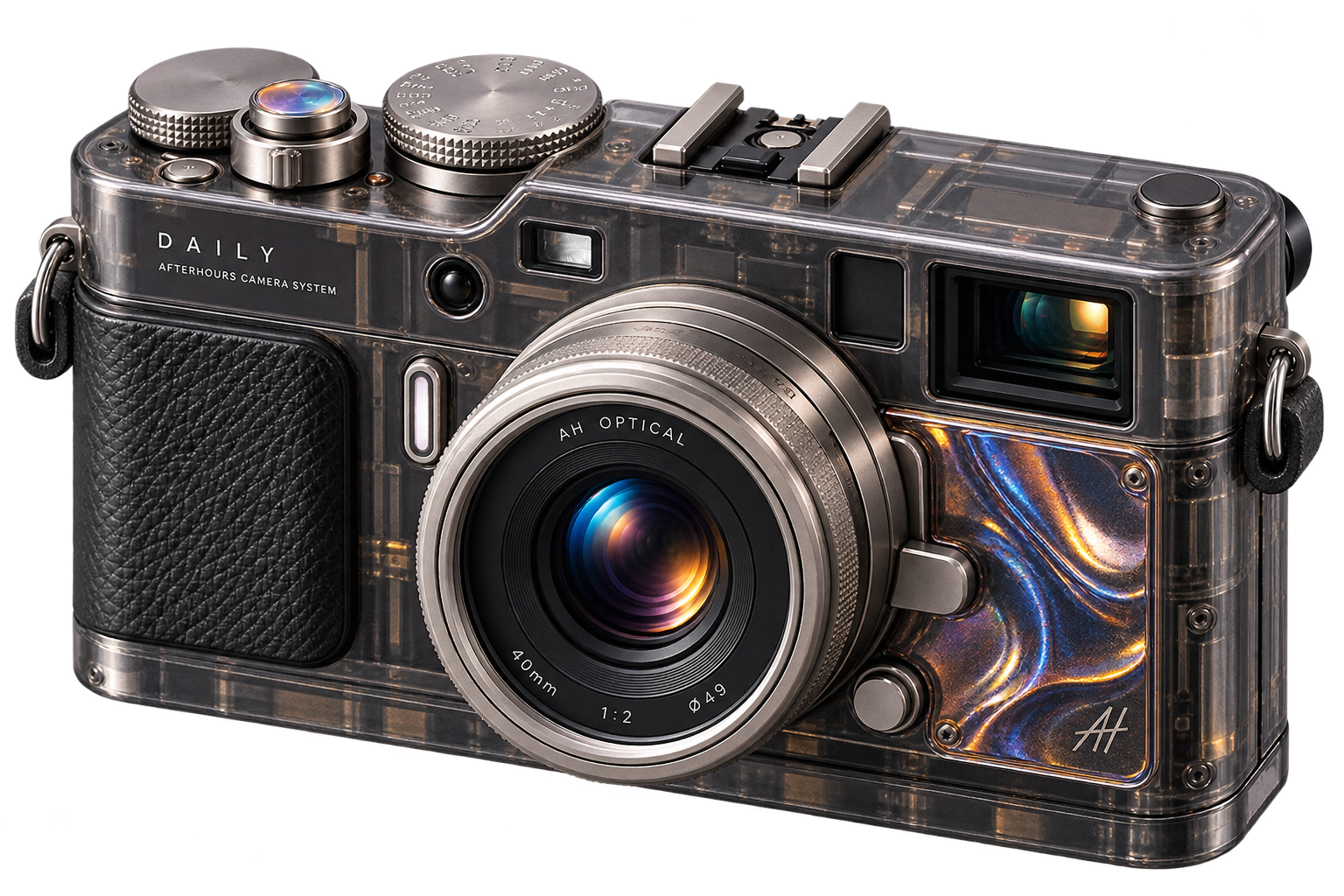
FILM STOCKS · IN PROGRESS
A shelf of ten.
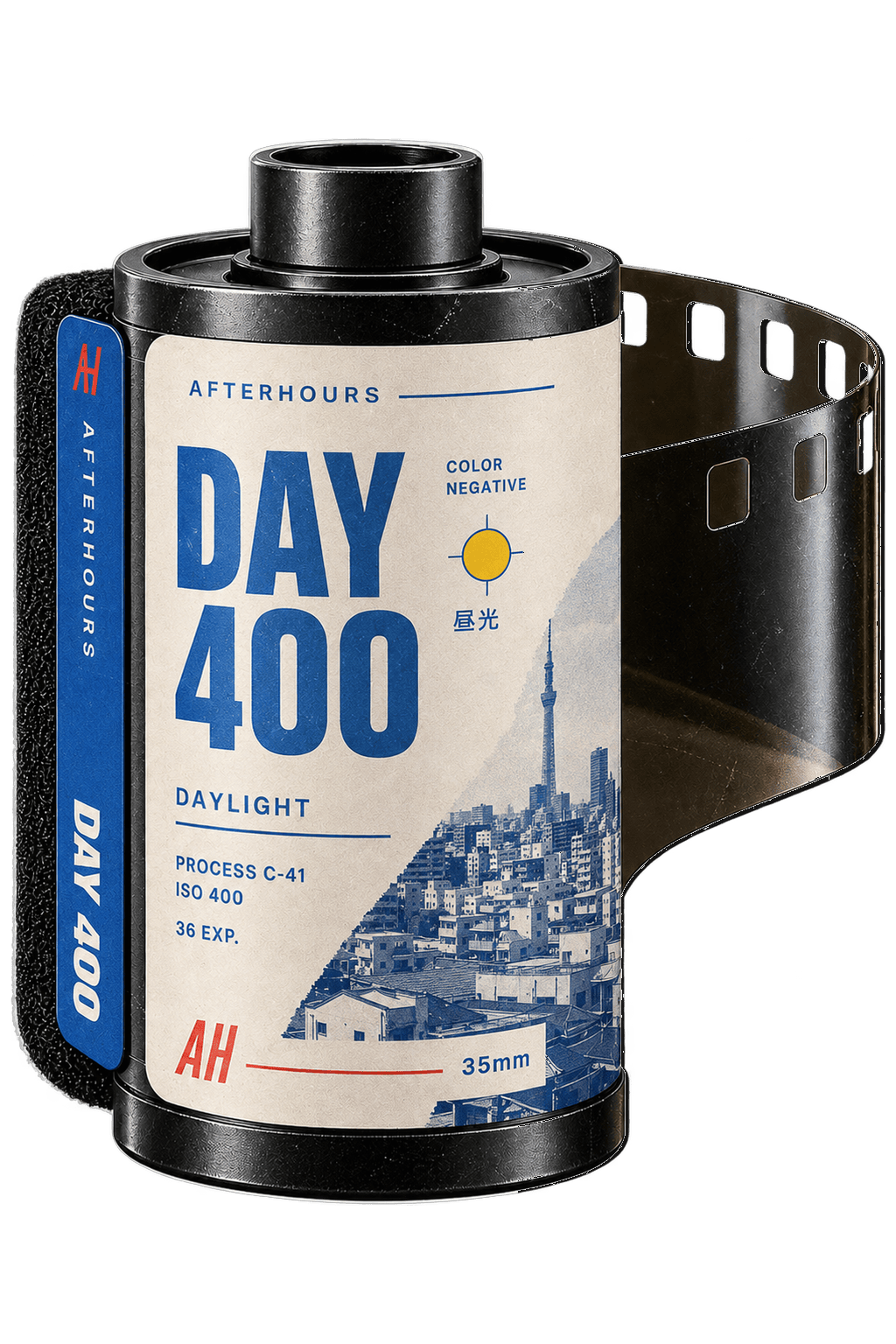 DAY 400
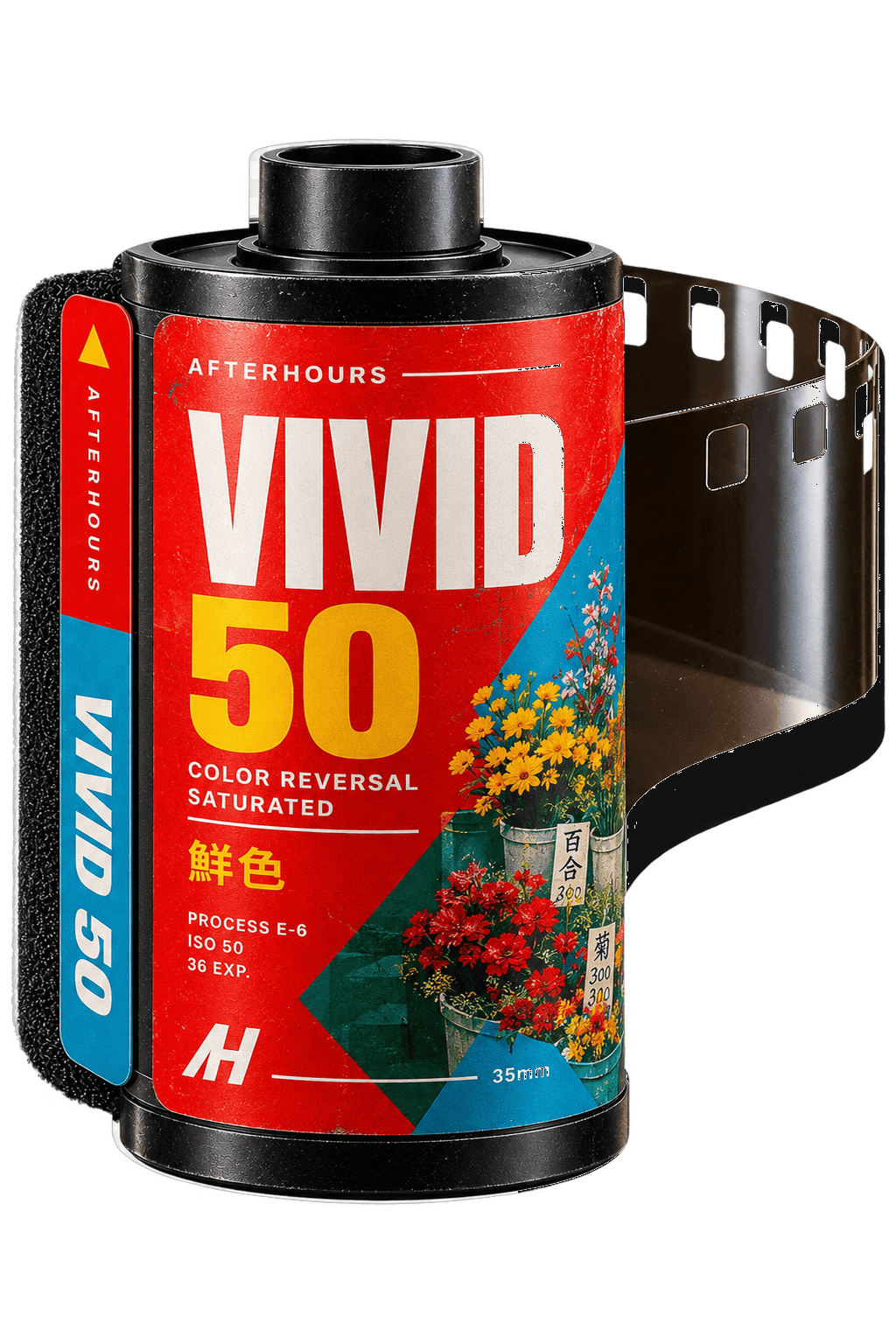 VIVID 50
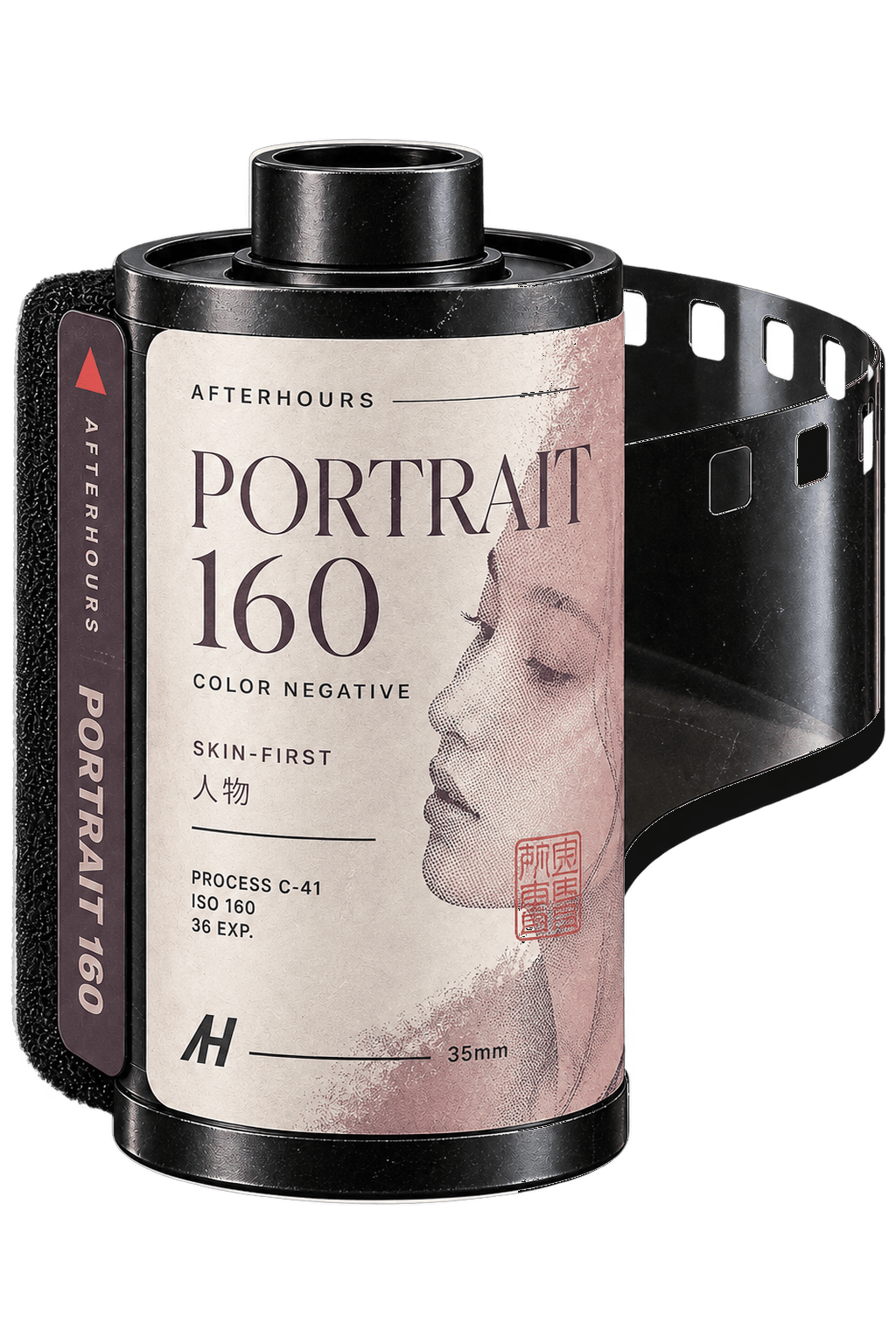 PORTRAIT 160
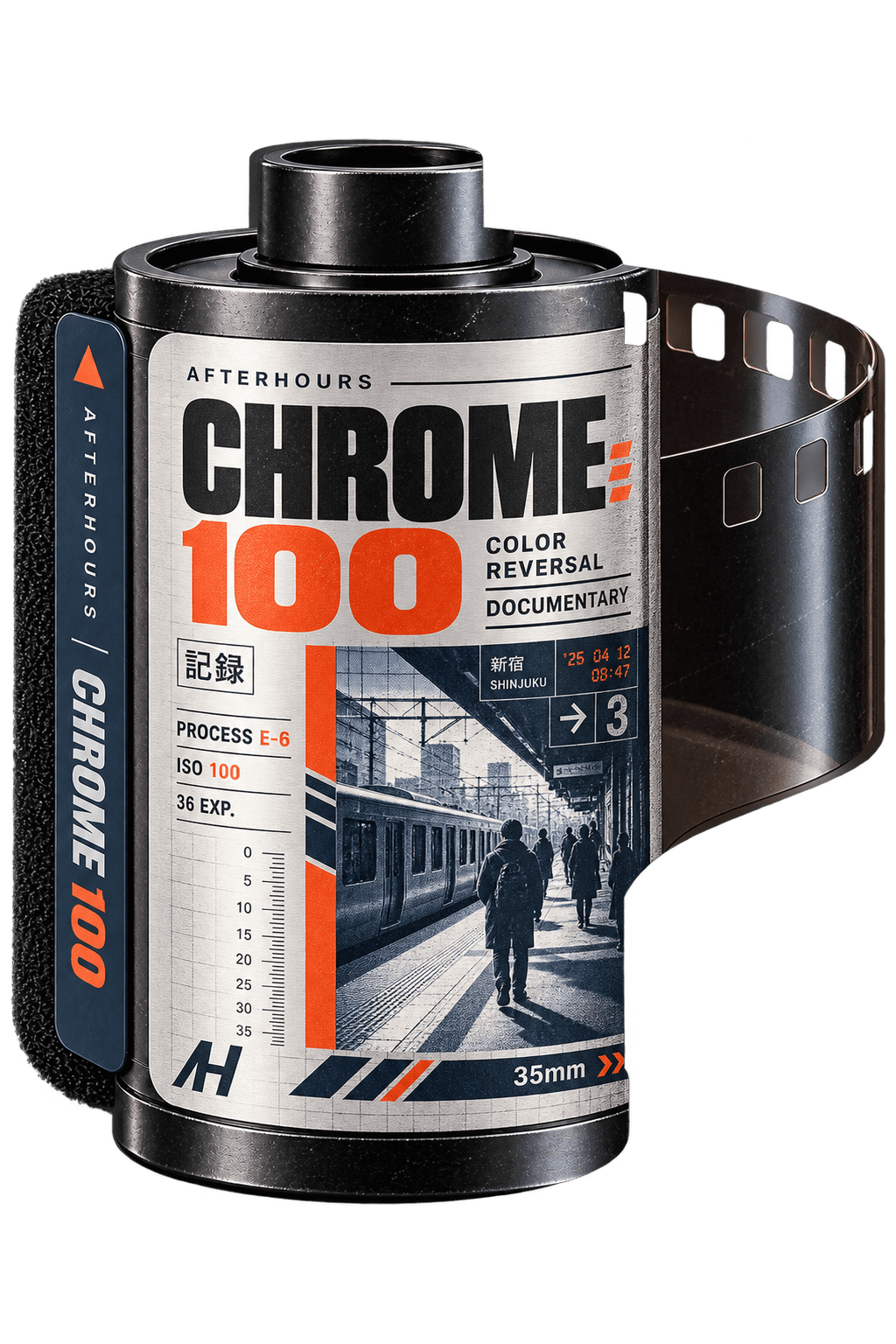 CHROME 100
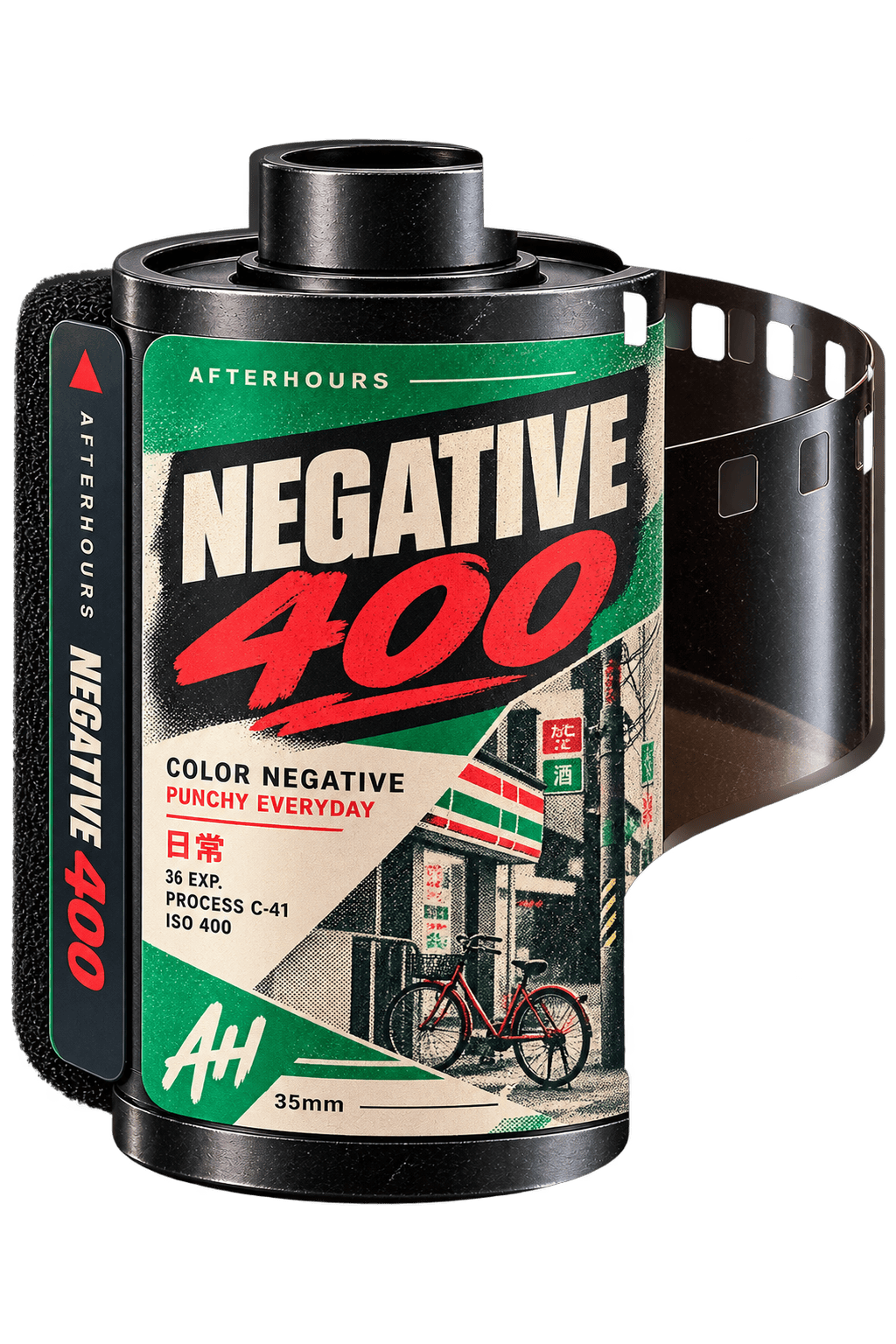 NEGATIVE 400
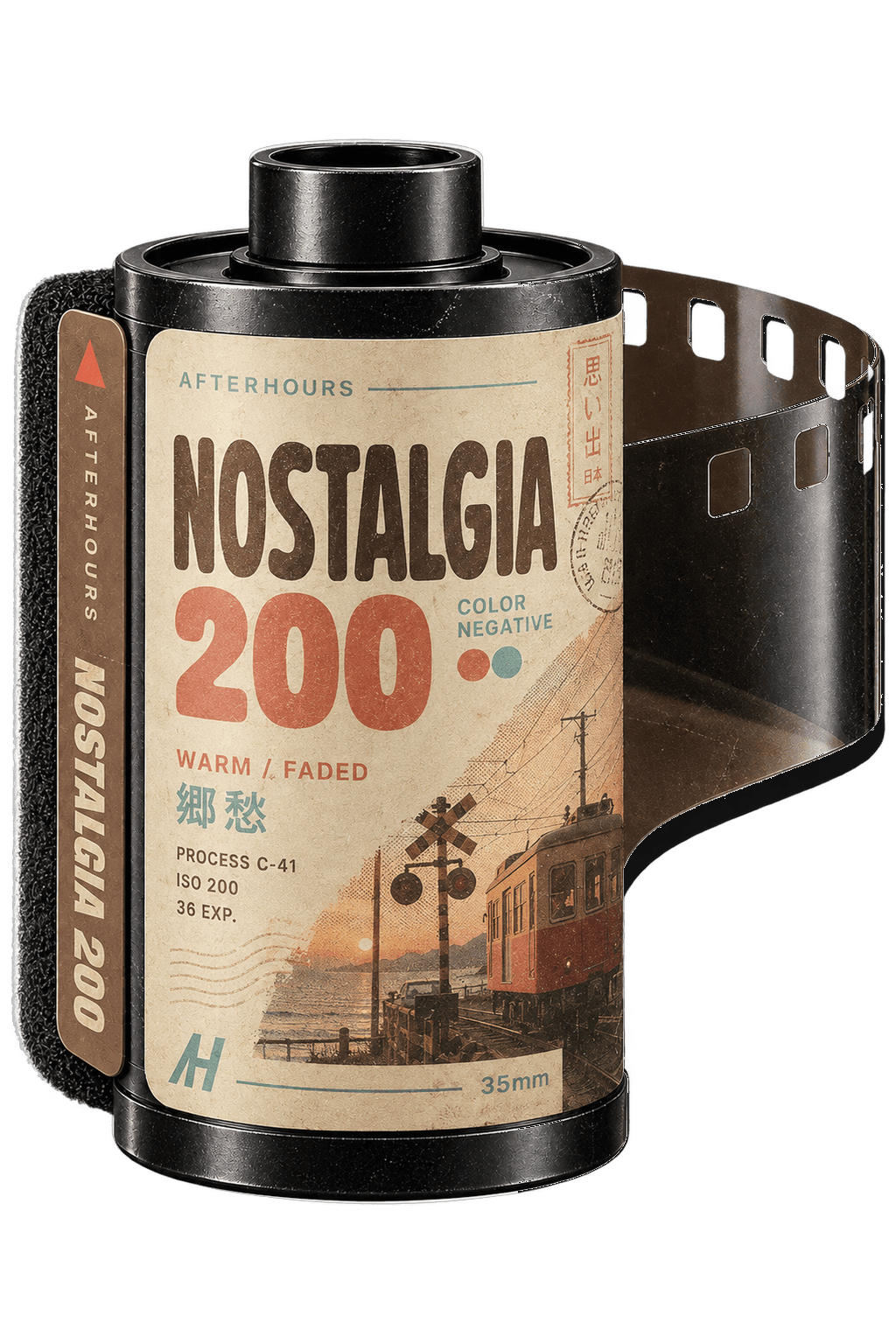 NOSTALGIA 200
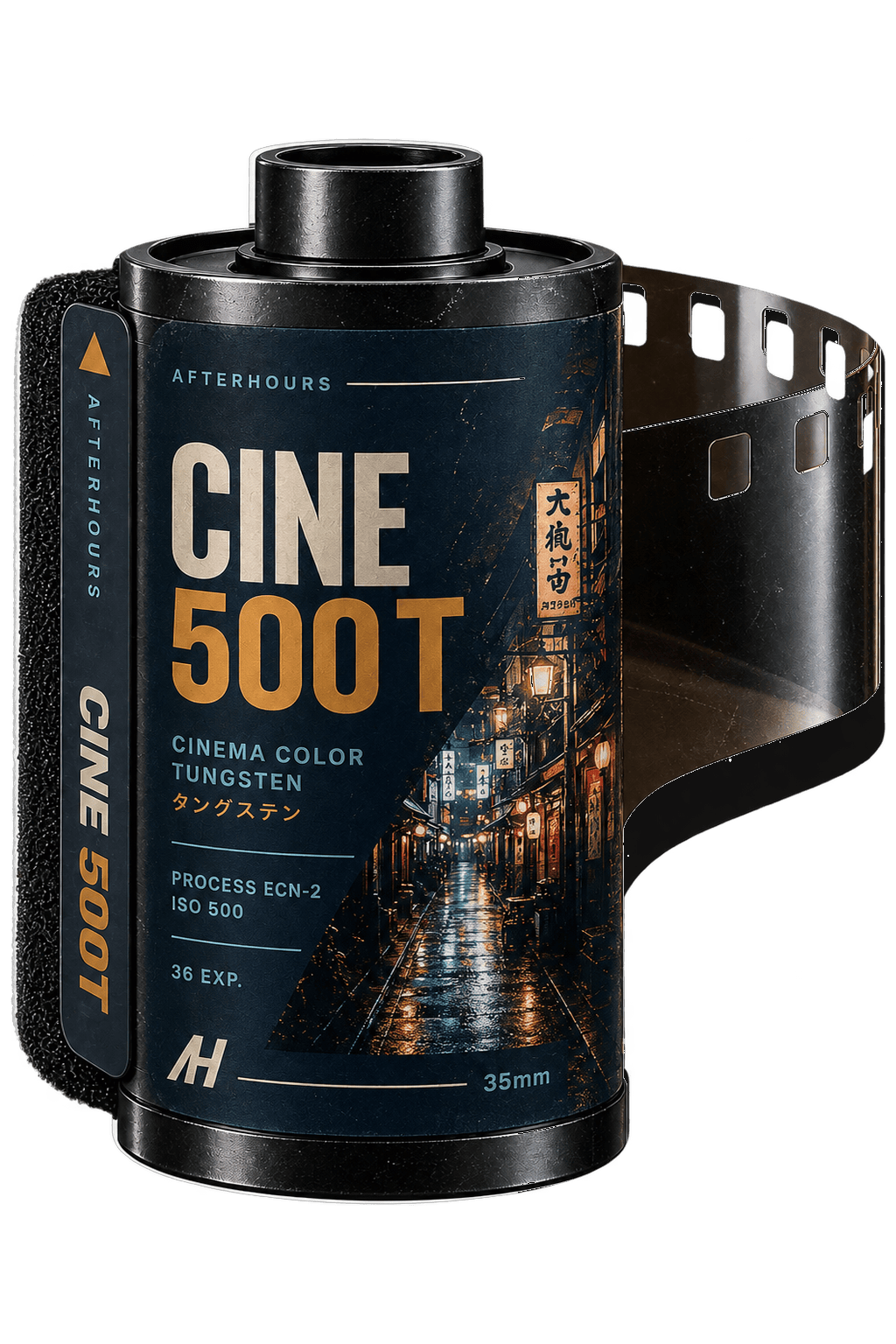 CINE 500T
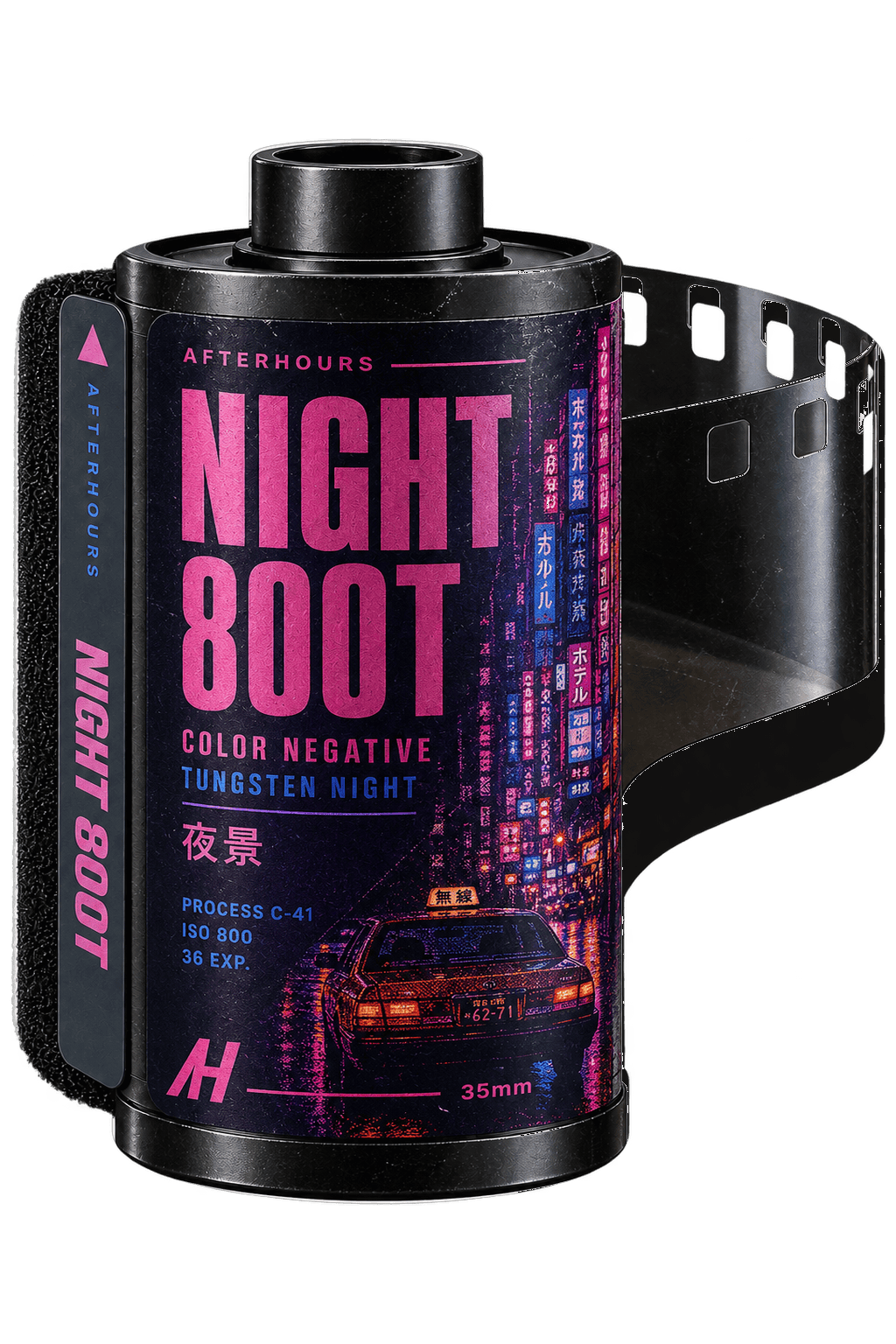 NIGHT 800T
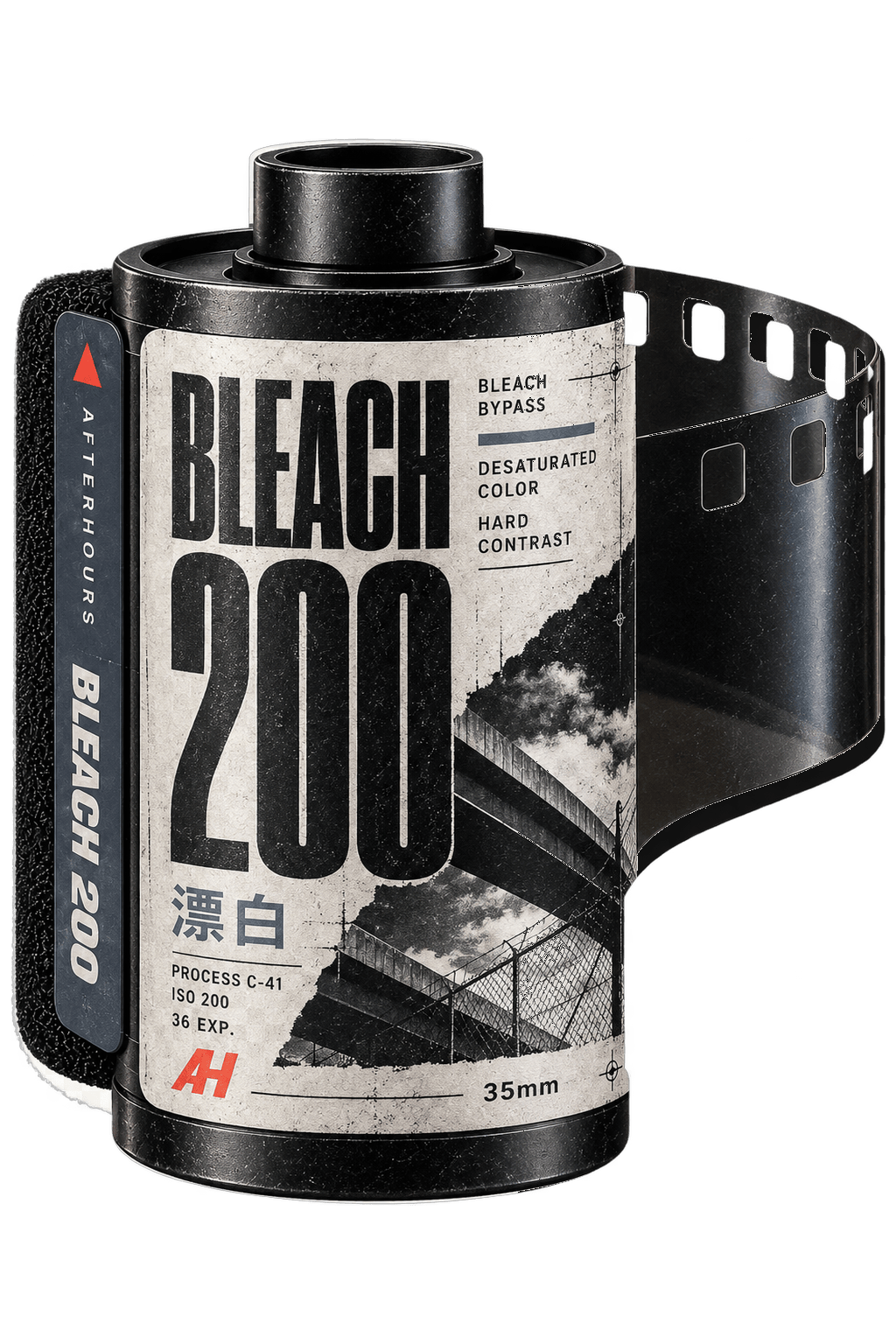 BLEACH 200
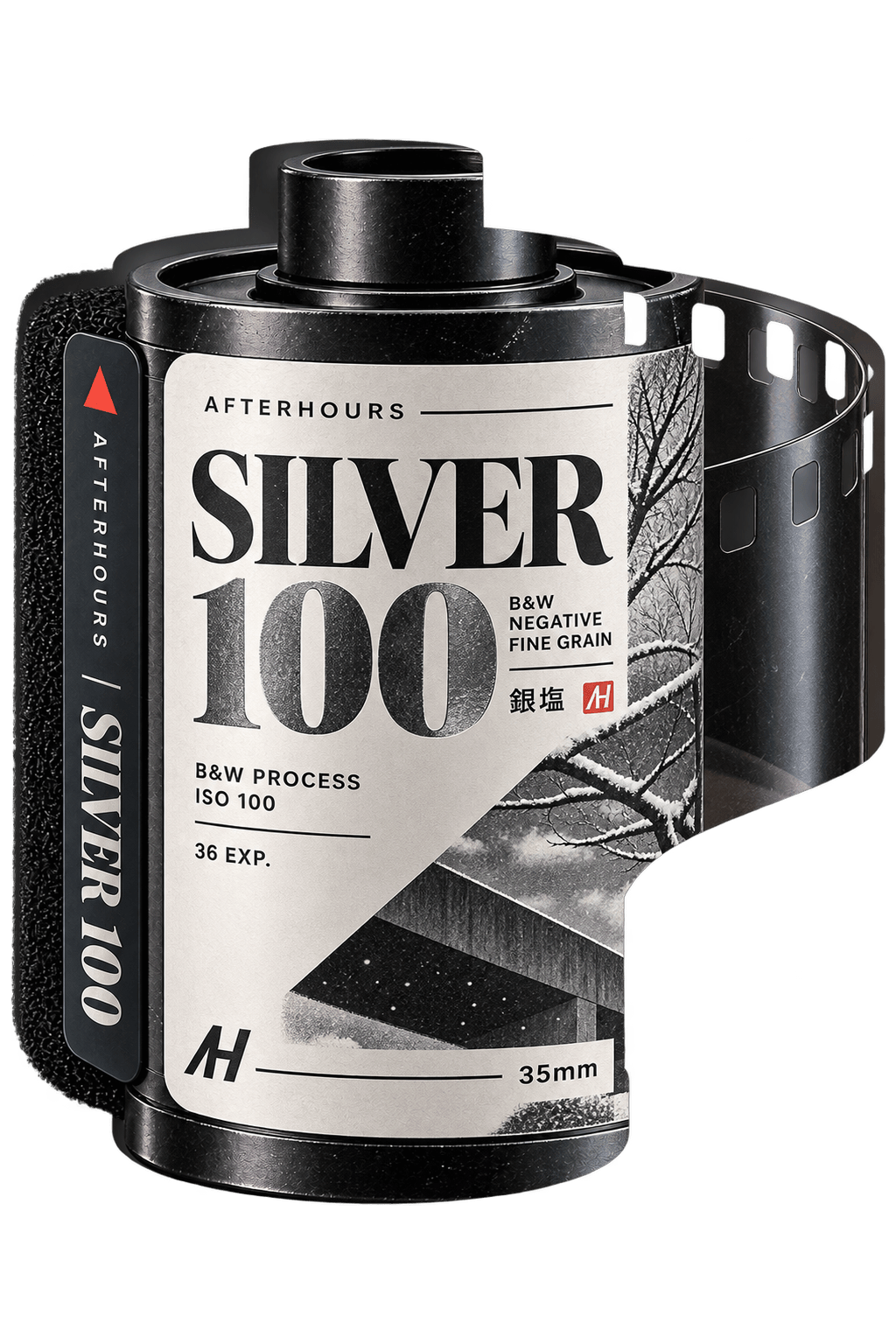 SILVER 100
Requires iPhone · iOS 16 or later
Price Free · Optional paid cameras
Privacy Everything on-device · no cloud, no account, no ML training
Provider Bricks&Canvas